
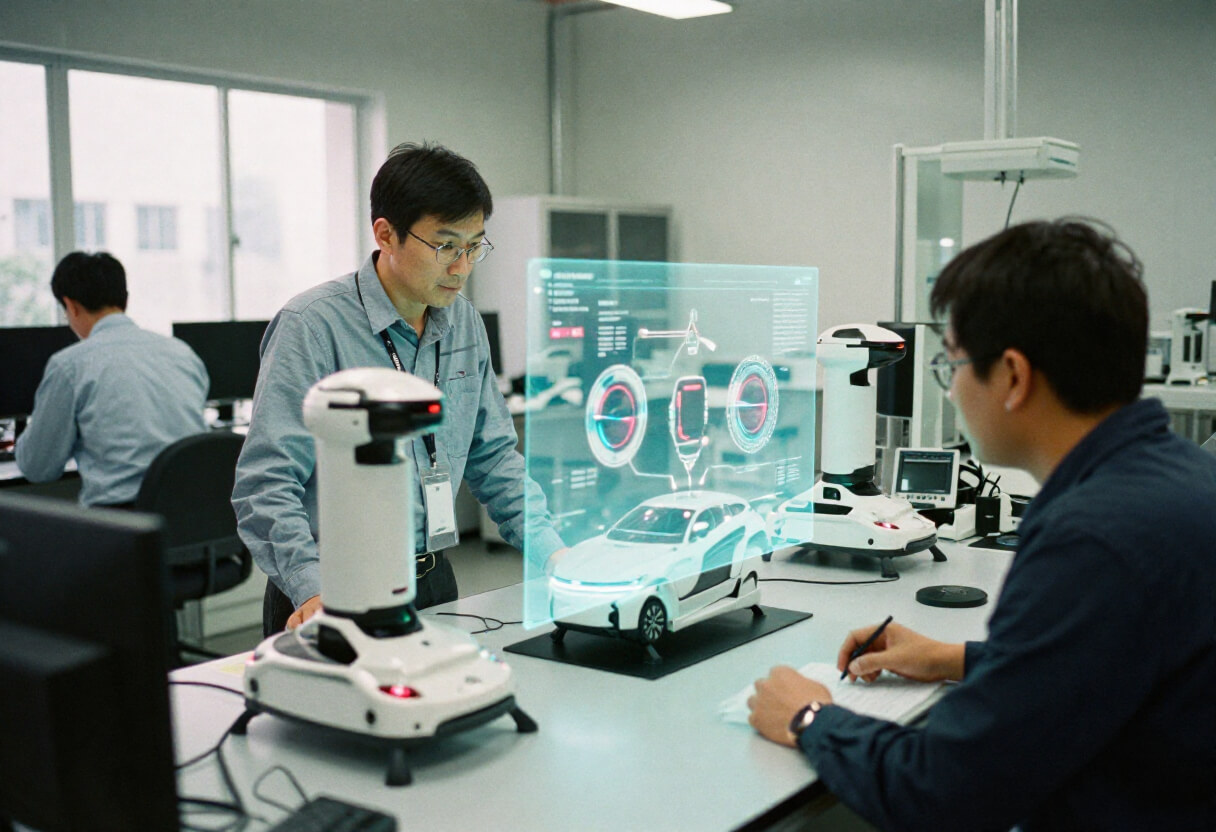
The future of technology is being defined by breakthroughs in artificial intelligence, and 2026 is a pivotal year for innovations that are reshaping industries and daily life. From smart cities to autonomous systems and creative AI solutions, emerging technologies are expanding what is possible, enabling businesses and individuals to operate more efficiently and creatively.
Smart Cities and Urban Innovation
AI is central to building smart cities that optimize resources, improve safety, and enhance quality of life. Intelligent systems analyze traffic flows, energy usage, and environmental data to make real-time adjustments that reduce congestion and energy consumption. Urban planners use AI simulations to predict the outcomes of infrastructure projects, ensuring more resilient and sustainable cities.
For example, AI traffic management systems can dynamically reroute vehicles to reduce jams, while AI-driven energy grids balance electricity distribution to lower costs and emissions. These innovations create cities that are not only more efficient but also more responsive to residents’ needs.
Autonomous Systems and Robotics
Autonomous vehicles, drones, and service robots are increasingly practical thanks to AI advancements. Self-driving cars use deep learning to navigate complex urban environments, anticipate hazards, and make real-time decisions. Drones perform inspections, deliver goods, and assist in disaster relief operations, while robots in manufacturing and logistics handle repetitive tasks with speed and precision.
These systems reduce human error, enhance efficiency, and allow organizations to focus on high-value work. As technology matures, autonomous solutions are expected to become more affordable and widely adopted across industries.
AI in Healthcare and Biotechnology
Healthcare continues to benefit from AI-driven innovations. Predictive models analyze patient data, detect potential health risks, and personalize treatment plans. AI accelerates drug discovery, simulates clinical trials, and optimizes medical research, leading to faster, safer, and more effective healthcare solutions.
For instance, AI algorithms can identify subtle patterns in imaging data that human clinicians might miss, enabling earlier detection of diseases such as cancer. Personalized AI-driven treatment plans improve patient outcomes while reducing unnecessary interventions.
Generative AI and Creativity
Generative AI is transforming creative industries by enabling rapid prototyping, content creation, and design iteration. Designers, engineers, and artists can collaborate with AI to explore countless variations of products, visuals, music, or digital experiences in a fraction of the time it would traditionally take.
These tools expand human creativity, allowing professionals to experiment, innovate, and refine their work with unprecedented efficiency. Generative AI is also empowering small teams and independent creators to compete on a global scale, leveling the playing field for innovation.
Challenges and Ethical Considerations
While future technologies offer immense benefits, they also present challenges. Data privacy, algorithmic bias, and ethical use are key concerns that must be addressed. AI systems must be transparent, accountable, and designed with human oversight to ensure fairness and trustworthiness.
Developers and organizations should adopt ethical frameworks, monitor AI systems continuously, and maintain clear communication about how technologies are used. Responsible innovation ensures that technology benefits society rather than causing unintended harm.
Looking Ahead
The future of AI and technology is multi-dimensional, with multi-modal AI systems capable of processing text, images, audio, and video simultaneously becoming the standard. Intelligent systems will enable smarter cities, autonomous transportation, advanced healthcare, and creative solutions at scale.
By combining human ingenuity with AI’s analytical power, we can address global challenges such as climate change, resource management, and disaster preparedness. The collaboration between humans and intelligent systems promises a future that is more efficient, creative, and sustainable.
In conclusion, future technologies and AI innovations in 2026 are shaping a world where intelligent systems enhance productivity, creativity, and decision-making. From smart cities and autonomous systems to generative AI and healthcare innovations, the possibilities are immense. By pursuing ethical, responsible, and innovative approaches, society can harness these technologies to create a smarter, safer, and more equitable future.